Submitted by Kerry Summers on
1. What is the purpose?
The first and most important question is simple: what is the purpose of your event?
Is the goal to celebrate a success? Communicate change? Train employees? Boost morale? Or perhaps to align teams after a restructure? Without a clear objective, it’s easy for events to lose focus or feel like an unnecessary disruption.
Your answer should drive every decision that follows. An event aimed at building trust after a merger will look very different from a celebration for hitting a sales milestone.
By clarifying the 'why' behind the event, you create a guiding principle that will shape every subsequent decision, from messaging and content to venue and facilitation style.
2. What will success look like?
Once the purpose is clear, it’s vital to define what success will look like. Too many events are judged by surface-level indicators such as attendance numbers, but truly meaningful internal events aim for deeper impact.
You need to consider what change you hope to see as a result of the event. Are you aiming for participants to walk away feeling inspired, better informed, more connected, or more aligned with company strategy? Success might mean increased collaboration, a clearer understanding of a new business direction, or simply a boost in morale.
Key success indicators of iVentiv sessions, for example, measure the quality of interactions, the range of content covered, and the relevance of topics covered. The clearer your vision of success, the better you can design the event to achieve it and evaluate whether it met the mark.
3. Who is your audience?
Identifying your audience is not as straightforward as it may seem. It is not enough to know which teams are invited; you need to dig deeper into who these people are. Their roles, levels of seniority, working environments, and current attitudes toward the business all matter. A session aimed at senior leaders will require a very different approach compared to one for new joiners.
You should consider what the audience already knows, what they care about, and how they are likely to respond to the event. Tailoring the event to meet the expectations and needs of your specific audience will significantly increase its relevance and impact.
Consider releasing a pre-event questionnaire ahead of time. This is a crucial aspect of iVentiv events and helps to hone in on pressing topics as outlined by the very people that the event is designed for. Enhancing impact is a sure-fire way to gain buy-in from your audience.
4. What's the organisational context?
Internal events don’t happen in a vacuum, and understanding the broader organisational context is critical. The timing of your event relative to company news, restructuring efforts, performance reviews, or external pressures, can affect how it’s received.
If your business is undergoing major changes or facing internal challenges, the event may need to strike a more thoughtful or cautious tone. Similarly, if the organisation is in a high-growth or celebratory phase, the event might lean more toward inspiration and connection.
A good organiser considers not just the micro-context of the team or business unit but also the macro-environment that could influence perception and engagement.
5. How will you communicate value?
Even the most well-designed event can struggle if employees do not clearly understand why they are being asked to attend. Communicating the value of the event, i.e what’s in it for them, is essential when generating interest and ensuring full participation.
Frame the event around the benefits it offers the audience. This could include learning new skills, having a say in a key decision, gaining access to senior leaders, or contributing to a larger vision.
The way you frame and market the event will shape expectations and determine whether people arrive curious and engaged or disinterested and disengaged.
6. How much time do you need?
Determining the right length for your event is another essential consideration. Rather than defaulting to a half-day or full-day format, think carefully about how much time is truly necessary to achieve the event’s goals. Ask yourself: do you want time for open networking and discussion? Will you bring the group together to summarise their conversations after group breakouts?
By being intentional, you not only respect people’s time but also improve the chances of sustained attention and meaningful engagement throughout the session.
7. Which format fits best?
The format of your event should be a deliberate choice based on the objectives you’ve set, not merely a repetition of what’s been done before. If the goal is to gather feedback or spark innovation, a collaborative approach is more appropriate than a ‘sit and listen’ session with a stage and a lectern.
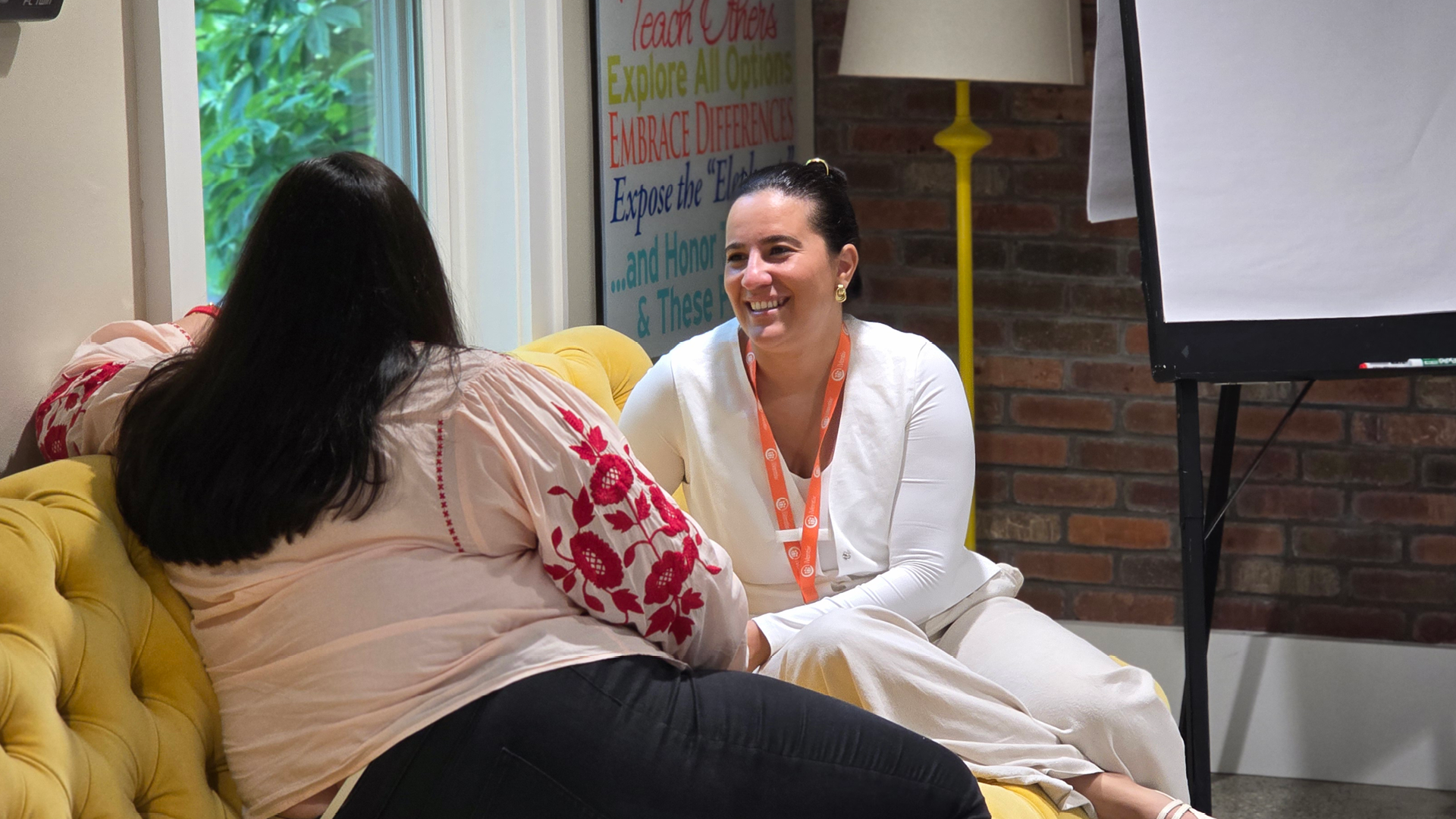
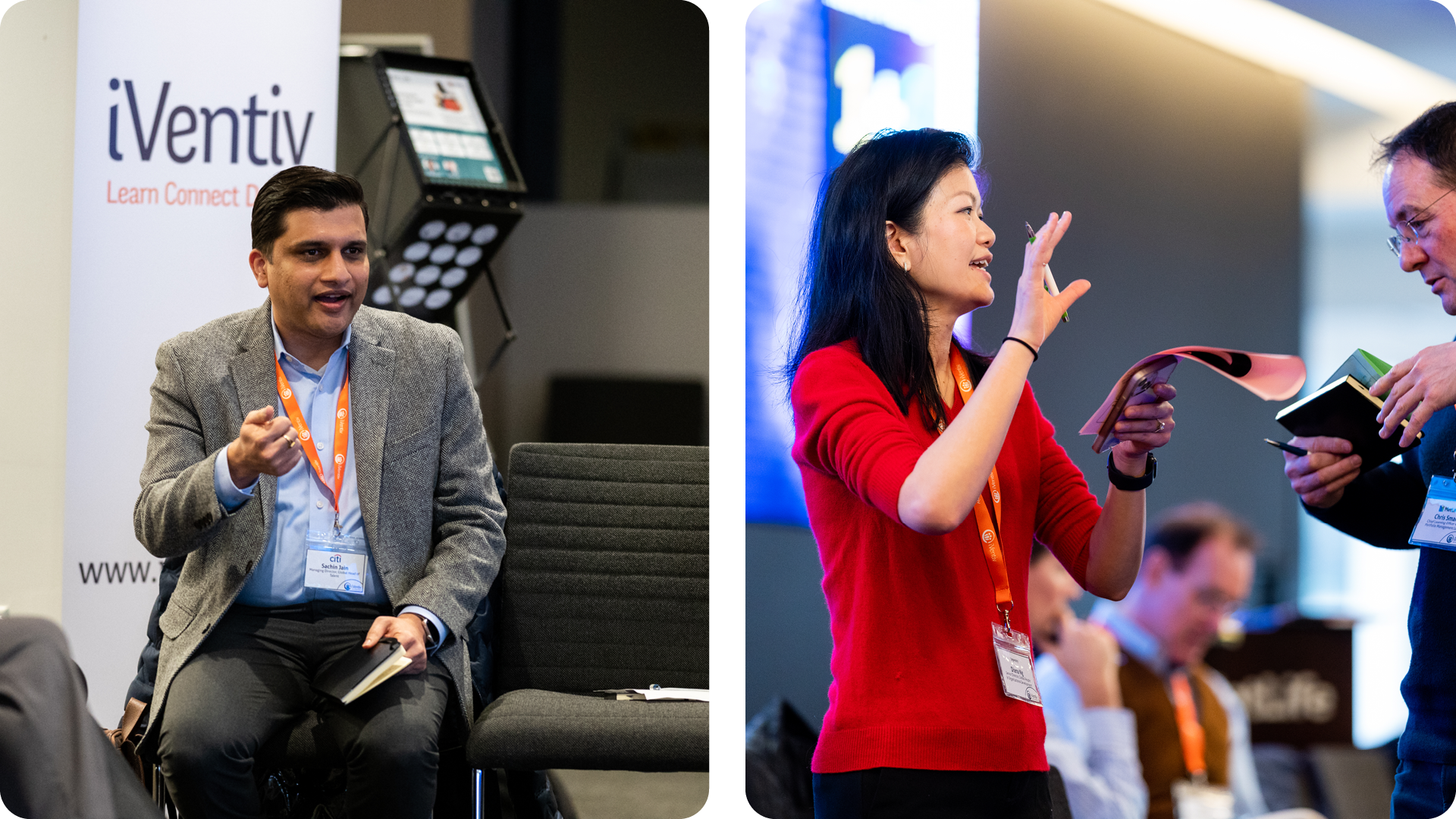
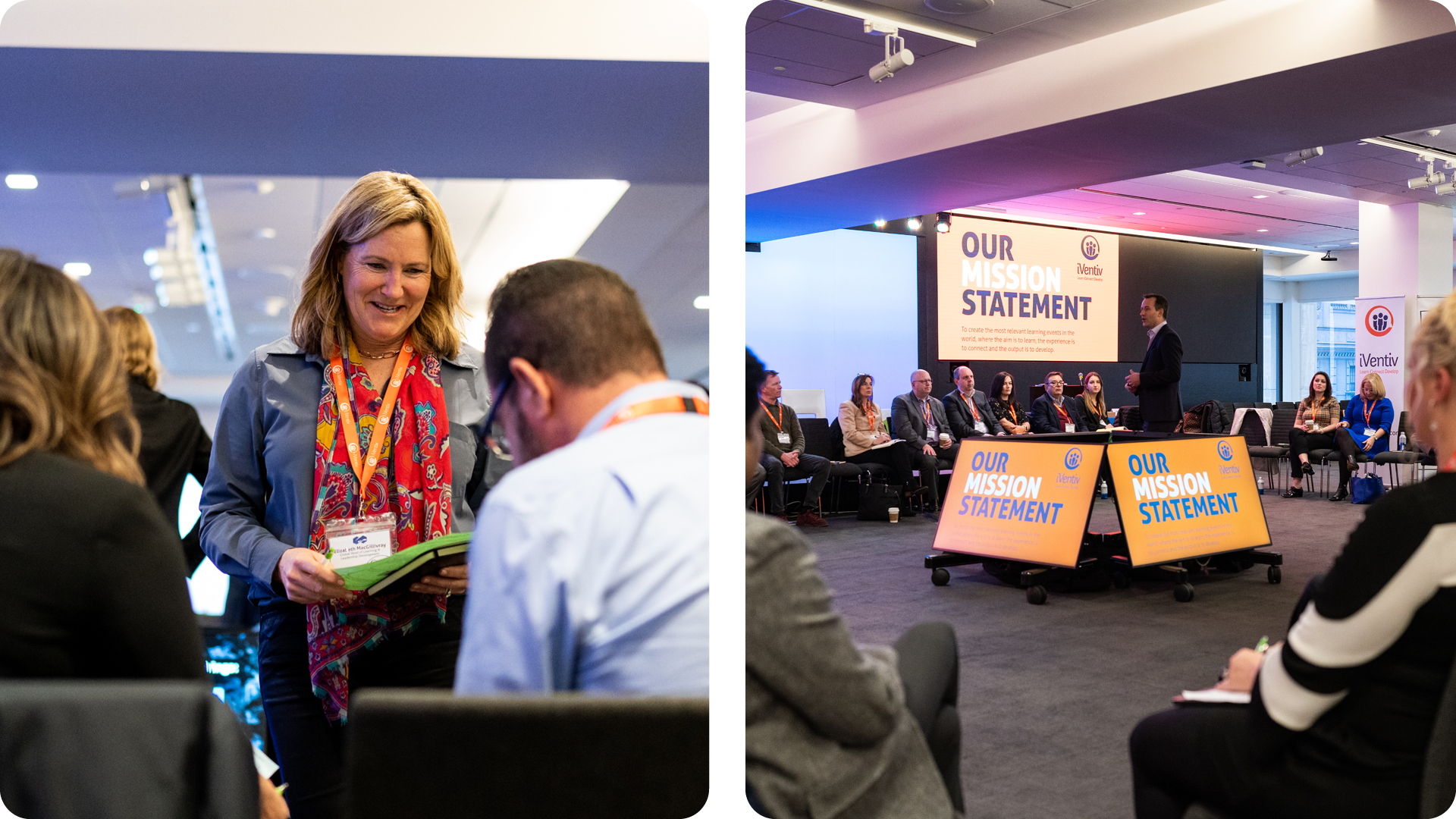
What works well at iVentiv sessions, for example, is the ‘hollow square’ – when participants are face-to-face, conversations flow more easily, and openness comes naturally. Group breakouts, coaching exercises, and regular networking breaks also help to, not only feed the discussions, but increase the overall impact of the event.
You should also decide whether the event will be in-person, virtual, or hybrid, depending on your audience’s working arrangements and expectations. Ultimately, the right format makes the difference between passive attendance and active participation.
8. What is your budget, and what are your resources?
Before committing to any ideas or bookings, it’s essential to understand what budget and resources you have available. Knowing your financial and staffing limits allows you to prioritise the elements that matter most. You should identify which components, such as tech, are non-negotiable for your event to succeed.
Be realistic about what you can achieve with the resources on hand, and don’t be afraid to scale back in areas that don’t directly support your goals. The most memorable events are not always the most expensive, but rather the most intentional.
9. How will you embed lasting change?
An event’s impact does not end when the last attendee leaves the room or logs off. To truly embed key messages or spark lasting change, you need a plan for what comes next. This might include:
- A follow-up communication strategy
- Opportunities for feedback
- Additional content that reinforces the key takeaways
- Form a Teams channel / WhatsApp channel to build a community outside of the event
Also consider whether the event will feed into a broader campaign, development journey, or strategic initiative.
iVentiv, for example, shares an event summary after each session to help solidify learning and help attendees reflect on the discussions that were most relevant to their needs. Making this readily available ensures that the event’s impact lasts long after it’s finished.
Without meaningful follow-up, even the best event risks being forgotten. Ensuring there’s a next step, however small, keeps momentum going and helps you demonstrate that the event was part of a longer-term commitment.
10. How will you measure impact?
Finally, it’s important to think about how you will measure the success and impact of your event. Rather than waiting until it’s over to consider feedback, build evaluation into the planning process from the start. This means deciding what tools you’ll use – such as surveys, interviews, or performance indicators – and what you want to learn from them.
Are you looking for evidence of increased understanding, behavioural change, or emotional resonance? Having a clear measurement strategy not only demonstrates the event’s value but also provides valuable insight for future initiatives. It turns your internal event into a learning opportunity in and of itself.
Top tip: be strategic
In the rush to organise speakers, order lunch, and secure venues, it’s easy to skip over the big questions. But the most successful internal events are those built on clarity, strategy, and intention. By taking the time to ask the right questions up front, you avoid costly missteps and create experiences that are truly meaningful for your employees.
Internal events have the power to spark alignment, boost morale, and drive business outcomes, but only if they are grounded in purpose. So the next time you’re asked to organise a corporate gathering, pause before jumping into the “how.” Instead, focus on the “why,” the “who,” and the “what next.” Everything else should follow from there.
Let iVentiv Lead
After 17 years and more than 300 events in corporate L&D, Talent, and Executive Development, we know what it means to create impactful events that inspire and encourage growth.
From our ice-breaker Collaborative Café exercise that gets the entire group into conversations right from the start, to breakout discussions facilitated by experienced peers in the field, iVentiv events are built around the power of networking and connection.
At iVentiv, we have created bespoke L&D events that defy tradition. Having worked with global companies like Microsoft, AstraZeneca and ASML, we have designed experiences tailored to learning professions, from emerging talent all the way to senior leaders.
To enquire about iVentiv bespoke events, visit our enquiry page now.
Related Resources
- Designing Events for Knowledge Sharing: Practical Techniques
- Solving the Knowledge Silo in Global Learning Teams
- What Makes an Effective Learning and Development Team Event?
- Why Customer Education Matters
- Planning Corporate Events For Small Groups: A Complete Guide
- Why Internal Events Often Fail, and How to Fix Them
- How to Engage L&D Teams Through Events
- The Difference Between Team Building and Team Learning
iVentiv and Microsoft - A Bespoke Event Experience