Submitted by Kerry Summers on
Common pitfalls in internal event planning
Most internal events fail to resonate with employees.
Why?
Because they lack relevance, authenticity, and engagement – three elements repeatedly shown to drive impact in internal communications.
How can you ensure your internal events land in the right way with the right people?
Focus on real company concerns
According to Gallup’s 2023 Global Workplace Report, only 23% of employees feel engaged at work, and one major barrier is poor internal communication that feels top-down and disconnected from real concerns. Internal events often mirror this dynamic, focusing on company updates rather than employee realities, making the experience feel broadcasted, not collaborative.
When designing your internal event you should ensure the format amplifies the voices of those in the room and focuses on letting them share ideas with one another.
Humanise your event
McKinsey (2023) reports that only 38% of employees believe their organisation’s internal communications effectively help them understand company strategy. Events that focus on information overload, foe example, slides, jargon, and long presentations, miss the opportunity to emotionally engage employees or make them feel like participants in the story.
A study by Harvard Business Review highlights that emotionally engaging storytelling is up to 22 times more memorable than data alone. Yet many events fail to humanise leadership or highlight personal stories, leaving employees feeling uninspired or excluded from the vision.
Enhance the human element of your event by encouraging storytelling from Global Heads on the ground. Encourage them to share their challenges, best and next practices, and allow time for discussion and feedback.
Authenticity is king
Edelman’s Trust Barometer (2024) shows that employees trust their employer more than any other institution, but that trust is fragile. Inauthentic events, those that feel performative, overly polished, or lack follow-up can erode this trust.
To combat this, create a roundup of key themes, takeaways, and next steps that is made available for everyone, including those that were unable to make the event; this will make your employees feel valued and heard, and will reinforce the positive impact of your event.
Design with employees in mind
Events often fail because they are not designed with employee input. Deloitte’s 2024 Human Capital Trends notes that “co-creating experiences” is essential in today’s workforce. Without two-way interaction, internal events feel like missed opportunities rather than “moments that matter.”
Most internal events fall flat because they speak at employees rather than with them, failing to connect on a human level, reflect employee realities, or create lasting emotional resonance.
Your employees want answers to their biggest questions, the ability to seek support, and the agency to talk openly and honestly. Create an event that facilitates this, through coaching sessions, smaller group breakouts where every voice can be heard, and group feedback opportunities to solidify learning.
When planning your event:
Don’t
- Give unclear objectives – if nobody knows why the event is happening, they’re unlikely to prioritise it.
- Make boring content – a lack of compelling content or interactive format makes people switch off.
- Position your event poorly – internal events often feel optional unless they’re positioned correctly.
Do
- Make clear event goals – without a defined theme or goal, discussions become scattered unproductive.
- Gain senior support – if leadership isn’t backing the event, you probably won’t get the resources or turnout needed.
The advantages of internal events
If Internal events are done well, they can be one of the most powerful levers for employee engagement, culture shaping, and alignment. Here's why they matter, what the research shows, and why large organisations should be doing more of them:
They drive connection & belonging
- In a dispersed or hybrid workforce, internal events act as cultural glue, fostering a shared identity across roles, teams, and geographies.
- Moments of collective experience build psychological safety and trust.
They align people behind the strategy
- When employees understand the “why” and see leaders walk the talk, they’re more motivated and focused.
- Events offer a unique platform to articulate the company vision and values beyond written comms.
They inspire action & behaviour change
- Events create “emotional anchors” that can accelerate buy-in and embed transformation efforts (e.g. DE&I, digital culture, leadership evolution).
They break silos
- Cross-functional networking in structured sessions can create new collaborations and improve internal communication.
These are real business outcomes, not just “nice-to-haves”. The key is making sure your event is structured enough to deliver them.
What does the research tell us about the benefits of successful internal events?
- Both Gallup and Edelman say that when employees feel ‘in the loop’ and part of a shared story, engagement significantly increases.
- A report by McKinsey highlights that organisations who focus on “employee touchpoints”, like internal events, are better at delivering transformation outcomes.
- Harvard Business Review confirms that storytelling and emotional resonance in internal communications boost message retention by up to 22x over rational-only formats. They also state that shared experiences create ‘limbic resonance’ – where people feel emotionally attuned, which is essential for behaviour change.
- Stories also make information up to 22 times more memorable than facts alone.
How to get internal buy-in and budget
If you want people to show up and stay engaged, you’ll need leadership support. Here’s how to get it:
- Share your objectives and find senior (ideally C-suite) support
- Identify potential naysayers early on – finance, operations etc, and get them onboard and involve them in shaping the event so they’re less likely to block it
- Point to external examples or proven formats to make your case
While internal events are by nature “in-house”, it can pay to bring in external facilitators or logistics experts, especially if your team lacks experience or time. A small investment here can help significantly improve impact and delivery.
Internal events have the power to inspire, connect and catalyse change across your organisation, but only when done right. With the right planning, objectives, and stakeholder support, your next internal event doesn’t have to be a bad memory, it can be a meaningful turning point for you and your team.
Should organisations do more internal events?
The simple answer is yes. But do it with intentionality.
Why?
- Scale can cause disconnect: The bigger the organisation, the more vital it is to create unifying, human experiences.
- Digital fatigue is real: People are overloaded with emails and Teams calls. Events offer meaningful disruption that can reenergise and refocus.
- Employee experience = competitive edge: Culture and connection are now key retention drivers, and internal events can embody both.
- Culture doesn't automatically cascade: Events help reinforce values, especially for middle managers and newer employees.
How to plan a small corporate event that people actually want to join
Here’s how to shift from “oh no, not another event”, to “that was genuinely worth my time”.
Set clear objectives
Start by identifying the core problem you’re trying to solve. Define how the event will address this and communicate it clearly.
Get the basics right
Lock in your venue, date, and facilitators early. Choose a space for collaboration, and not just a spare meeting room. Think wide open space, natural night, breakout rooms.
Promote internally like a pro
- Involve your internal communications or marketing team to create a buzz around the event.
- Recruit well-liked or respected colleagues to promote the event and encourage others to attend.
Design for participation
Let attendees shape the agenda by collecting their input beforehand. What challenges do they want to solve?
Bring in the experts
Don’t try and DIY everything. Use experienced event logistics support to handle setup, timing, tech and catering. That leaves you free to focus on the content and facilitation.
Why should you choose iVentiv to run your internal event?
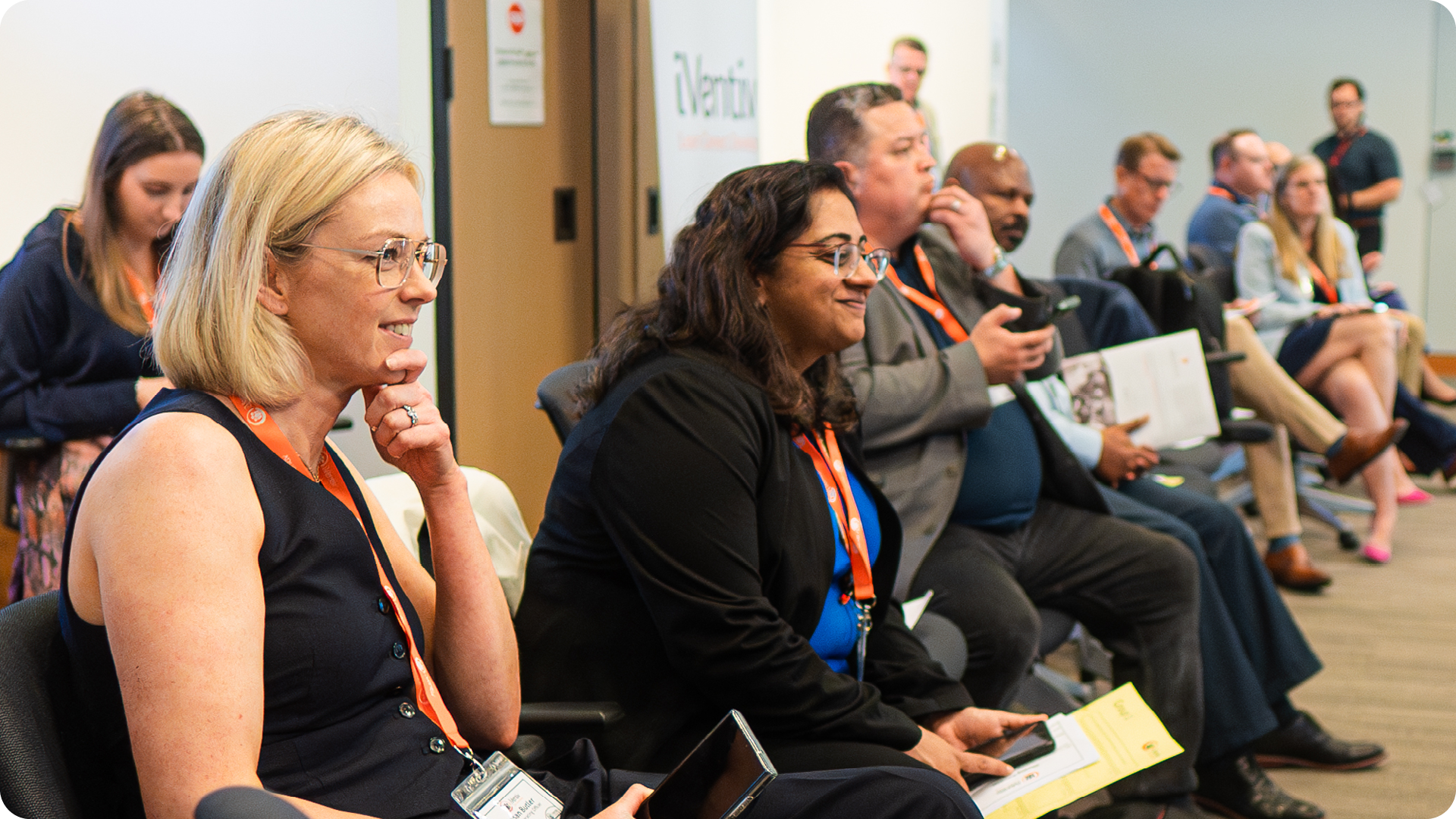
After 17 years and more than 300 events in the corporate L&D, Talent, and Executive Development spheres, we know what it means to create impactful events that inspire and encourage growth.
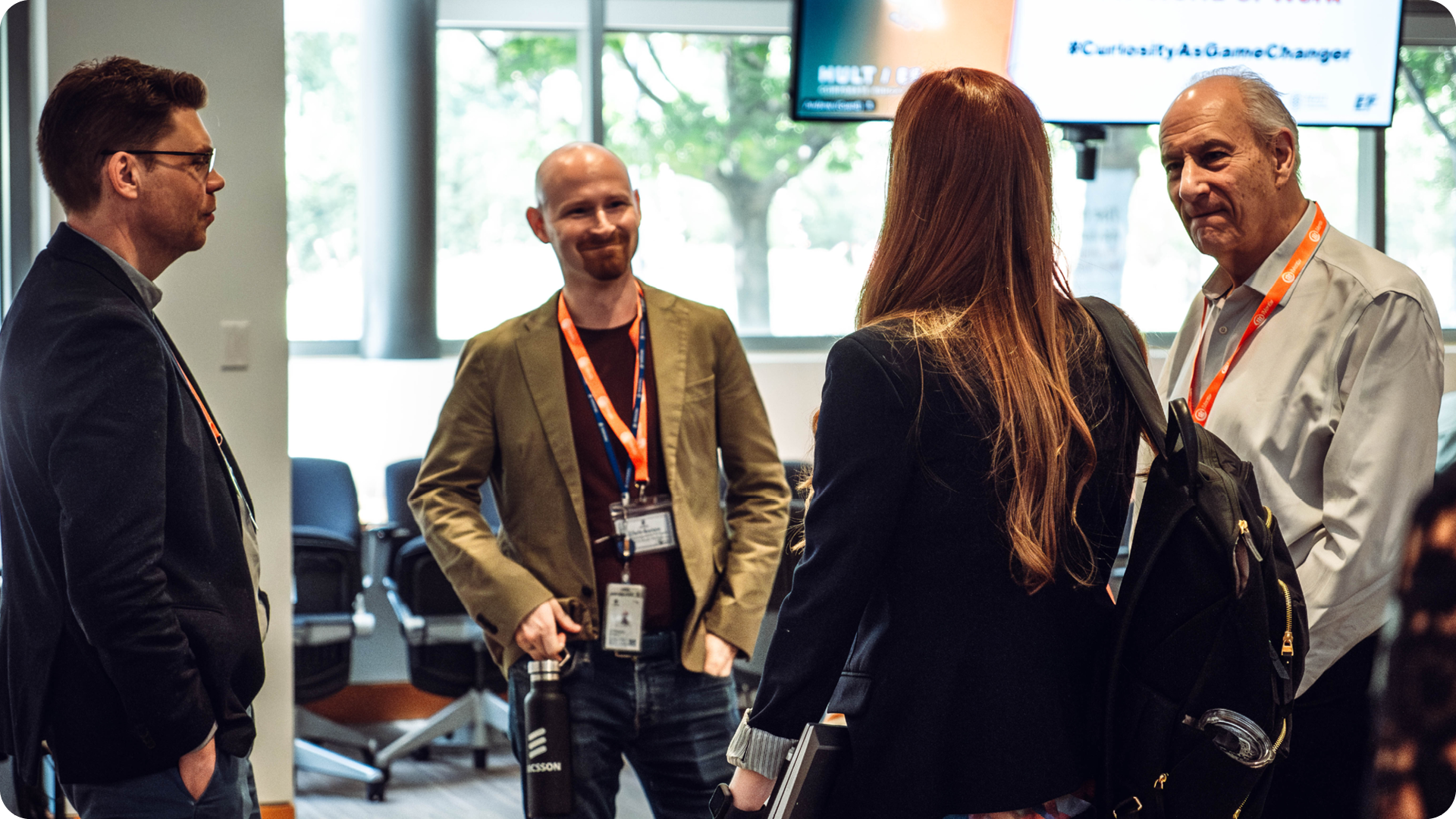
From our ice-breaker Collaborative Café exercise that gets the entire group into conversations right from the start, to breakout discussions facilitated by experienced peers in the field, iVentiv events are built around the power of networking and connection.
At iVentiv, we have created bespoke L&D events that defy tradition. Having worked with global companies like Microsoft and AstraZeneca, we have designed experiences tailored to learning professions, from emerging talent all the way to senior leaders.
To enquire about iVentiv bespoke events, visit our enquiry page now.
Related Resources
- Designing Events for Knowledge Sharing: Practical Techniques
- Solving the Knowledge Silo in Global Learning Teams
- What Makes an Effective Learning and Development Team Event?
- 10 Questions to Ask Before Planning an Internal Event
- Why Customer Education Matters
- Planning Corporate Events For Small Groups: A Complete Guide
- How to Engage L&D Teams Through Events
- The Difference Between Team Building and Team Learning
iVentiv and Microsoft - A Bespoke Event Experience