What Makes an Effective Learning and Development Team Event?

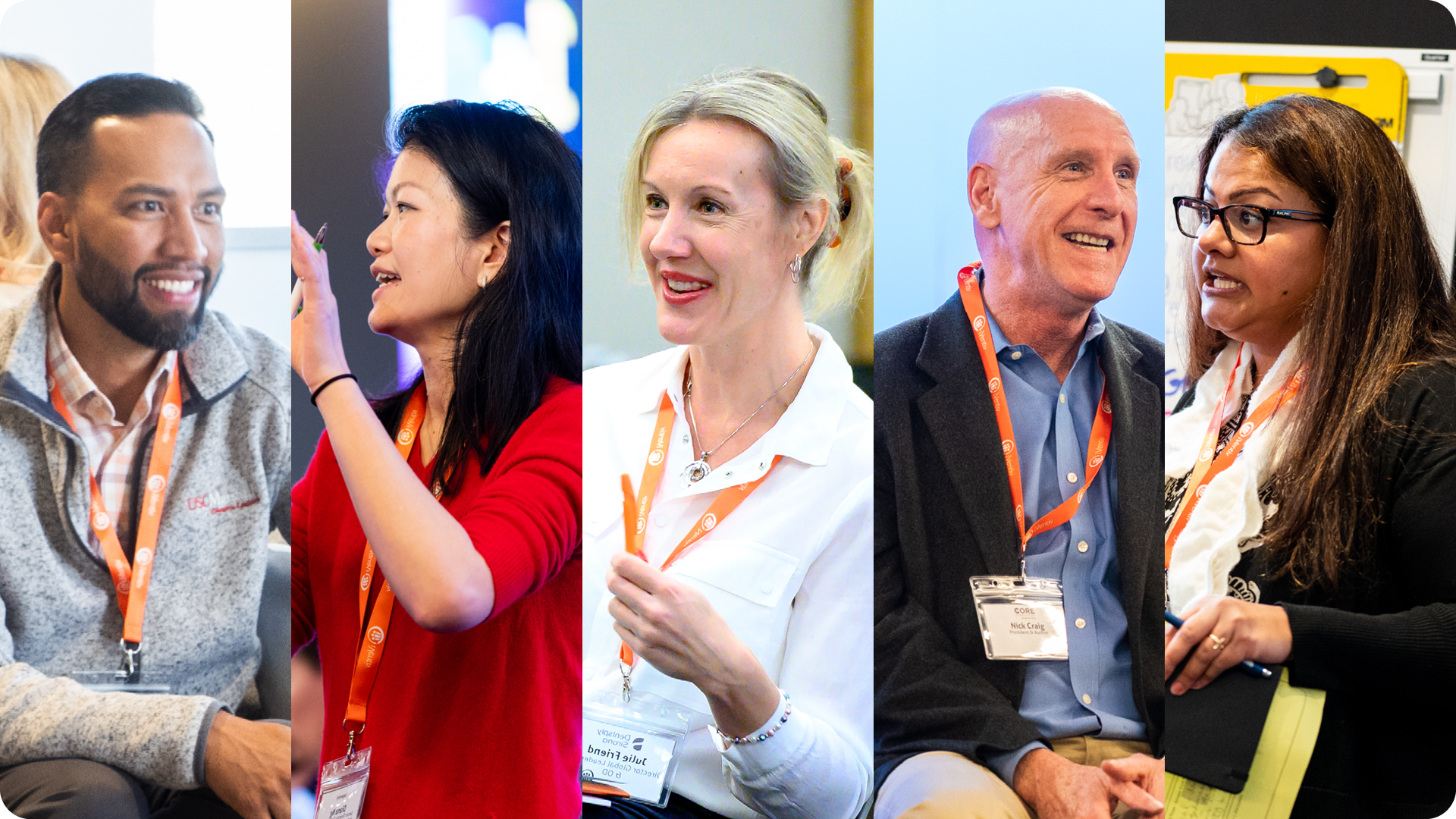
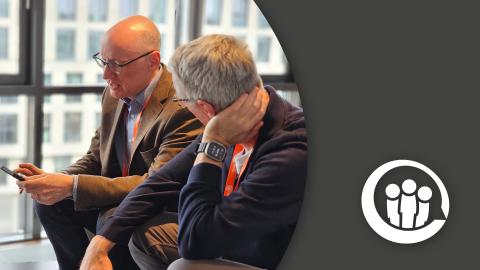
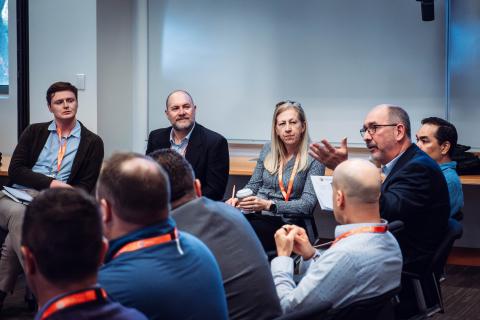
iVentiv attendees

Replacing Silos with Social Learning

If your L&D event still revolves around PowerPoints and monologues from senior leaders, it might be time to challenge that format.

A model inspired by 70:20:10 offers a more compelling alternative. 70:20:10 encourages L&D pros to expect that:

  • 70% of learning comes from on-the-job experiences,
  • 20% from social learning (interactions with peers and colleagues),
  • and just 10% from formal education and training.

The numbers are indicative, not exact calculations, but they provide an important framework to think about how L&D teams learn themselves. So, why are most L&D team events still focused on that smallest 10%?

Instead, imagine events where your L&D professionals learn from each other, sharing projects, lessons, roadblocks, and insights. When L&D leaders engage in meaningful dialogue, they don’t just trade ideas, they build trust, surface common challenges, and form connections that enable future collaboration. 

Social learning turns knowledge into action and hierarchy into community. The best team events make learning tangible, practical, and deeply human.

How to Create a Knowledge-Sharing Event That Works

To move from information delivery to knowledge exchange, the structure of your event matters. Here are four strategies to help foster meaningful learning among your team:

1. Make sessions collaborative 

Forget lectures. iVentiv’s conversational event format is something that we know works. Take a leaf from our book, and use breakout groups, facilitated discussions, and real-time problem-solving to ensure everyone is involved and engaged.

2. Encourage expertise-sharing

Everyone in your team has something to offer. Whether it’s a successful framework, a cautionary tale, or a regional innovation, make space for people to share what they know and what they’ve tried.

3. Invite case studies from participants

Ask attendees to come prepared with a case study, a project, initiative, or learning programme. These real-world examples provide a rich foundation for discussion, critical thinking, and constructive feedback. 

4. Survey your audience in advance

A short pre-event survey can surface the most pressing issues across your team. For example, we use the information gathered from our pre-event questionnaires to tailor iVentiv agendas, and ensure the content reflects the real-world challenges L&D leaders are navigating in real time.

Practical Tools and Facilitation Techniques

Running a great event isn’t just about format. It’s also about facilitation. How can you elevate your next L&D team event? Here are a few tips:

Bring in external voices – strategically 

A guest expert can offer valuable perspective, but make sure their input is relevant to your team’s needs. Better yet, ask them to facilitate dialogue rather than deliver a monologue. Use flipcharts and breakout spaces to create real, tangible impact and collaboration.

Use smaller groups for deeper conversations

In large teams, intimacy breeds honesty. Small groups encourage quieter voices to contribute and help participants explore complex topics in depth.

Prioritise listening over talking

Facilitators should focus on drawing ideas out of participants. Listening actively and asking the right questions will generate far more insight than any prepared slide.

Frame the conversation around the future

Ask open-ended, forward-looking questions: “What could we do differently?” “What’s emerging in your region?” “What skills will we need in 18 months?” This encourages exploration and invites innovation.

Capture and share the outputs

After the event, summarise key takeaways, shared resources, and next steps. This not only reinforces learning, it provides a practical reference for those unable to attend and a foundation for follow-up.

Measuring What Matters: From Experience to Impact

A common pitfall for corporate team events is evaluating those events based only on how enjoyable they were. While satisfaction is important, it’s not enough.

To truly measure the impact of your L&D event, ask:

Are participants applying what they’ve learned?

Follow up after the event. What ideas have been piloted? What new practices were shared across teams? This tells you whether knowledge is translating into action.

Did the event create new connections?

Successful events lead to collaboration. Track whether participants have formed new partnerships or if colleagues have continued conversations beyond the event.

Are attendees bringing insights back?

Invite participants to return to future events and share what they implemented. This creates a culture of learning and accountability, and shows that the event was more than a moment in time.

What Does an Effective L&D Team Event Really Achieve? 

When done well, an L&D team event does more than exchange information. It strengthens cohesion. It surfaces new ideas, encourages alignment across regions and roles, and it signals that learning applies not just to the business, but to the learning team itself.

What we’ve found after running corporate events for more than 17 years, is that in global organisations, the most effective L&D leaders don’t just teach collaboration, they model it. They foster a culture where people share generously, reflect honestly, and co-create the future of learning.

Ready to Design Your Next Team Event?

iVentiv’s bespoke Executive knowledge exchanges are built around collaboration, real-world case studies, and peer-to-peer dialogue, delivered in formats designed to foster impact across global teams.

What did Daniela Todorova, Area Learning Lead, Microsoft Germany say about the impact of iVentiv’s bespoke event? 

“It was so great to see how everybody jumped into talking to each other, asking questions, sharing super openly, just embrace[ing] the opportunity to learn from each other.”

If you're ready to explore what a purpose-built L&D team event could look like for your organisation, we’d love to help. To find out how iVentiv bespoke events could work for you, make an enquiry now.

Related Resources

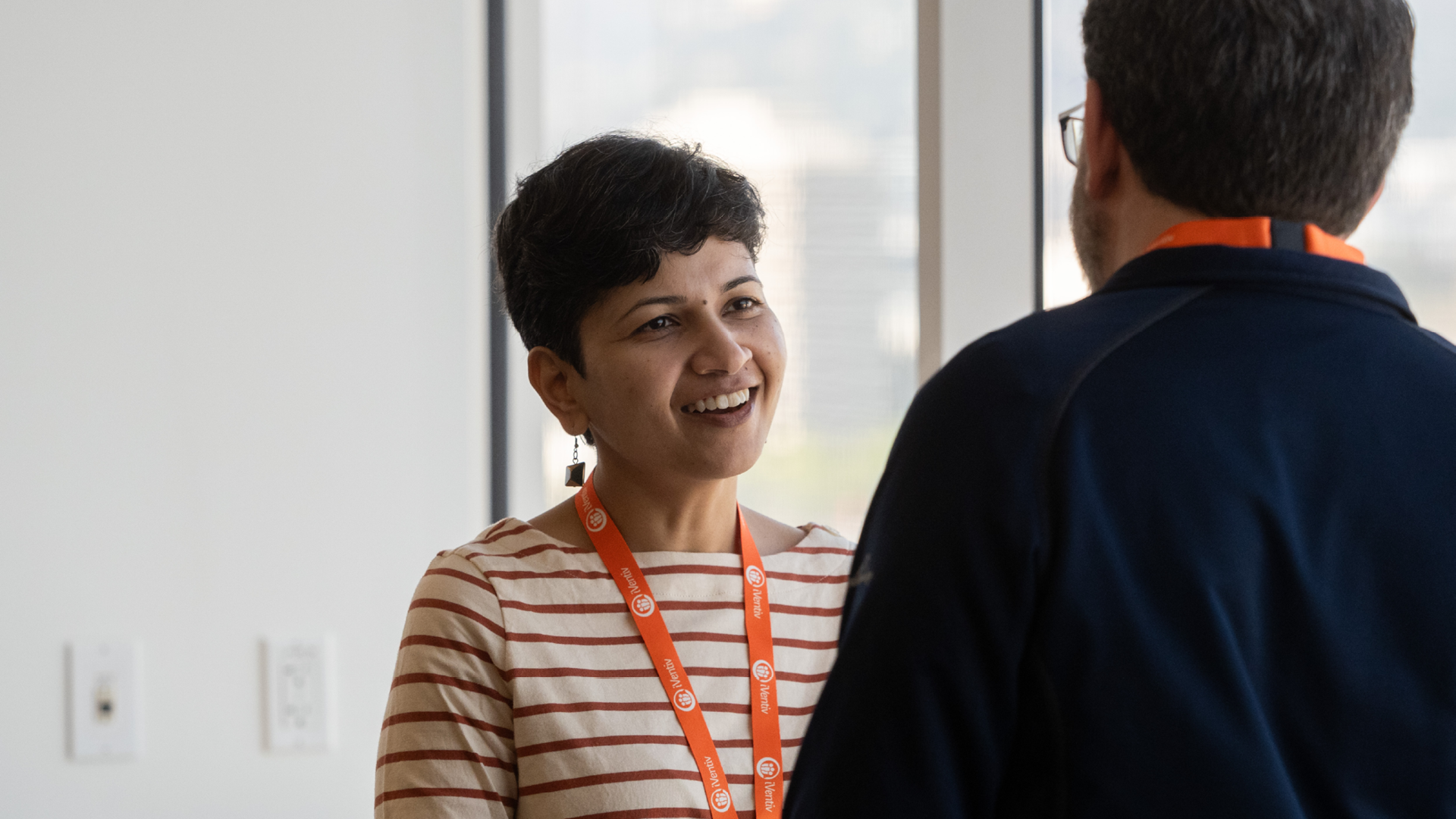
iVentiv and Microsoft - A Bespoke Event Experience
Thumbnail: 
News category: 
iVentiv News

More Insights

In an age of constant change, Zurich Insurance has embraced a skills-based approach as a core strategy to future-proof its workforce and drive business success. 

In an interview with iVentiv, Adrian Stäubli, former Group Head of Skills Development Solutions at Zurich Insurance, highlighted Zurich’s commitment to identifying, developing, and deploying skills across its global workforce. 

This model isn’t just a tool— to Adrian it’s a "secret ingredient" that touches every aspect of employee development, from career progression to job design, setting Zurich apart as a truly agile and resilient organisation.

Watch our interview now to see how Adrian embraced skills, and how it’s transformed Zurich’s employee experience.


In the ever-evolving world of executive education and corporate learning, partnerships are key to success. iVentiv has nurtured a long-standing relationship with HEC Paris, a prestigious European business school that was founded in 1888, since 2010 and has become a leading institution in Executive Development. Through this collaboration, HEC Paris has not only elevated its presence within the corporate learning community but has also provided valuable insights and support to iVentiv’s events worldwide.

Join us as we dive into the partnership between iVentiv and HEC Paris, how it's bloomed over the years, and where it will go next.

In today’s complex global landscape, even the most experienced L&D executives face a persistent challenge: ensuring alignment and collaboration within large Learning & Development teams spread across geographies, business units, and time zones.

Too often, L&D functions in multinational companies operate in silos. Teams set objectives independently, repeat each other’s work unknowingly, or miss opportunities to scale successful initiatives. Despite good intentions, the lack of structured knowledge-sharing and alignment can hinder progress, dilute impact, and ultimately affect how well organisations respond to change. 

So, how do you create an event designed to build a strong, connected L&D team that learns from each other and works towards a shared vision? Read on to find out.

Whether you’re launching a new initiative, or planning a team-building day, internal corporate events need more than just good food and a decent venue. Without the right strategic groundwork, even the most beautifully executed event can fall flat. 

Instead, before diving into logistics, you should pause and ask the foundational questions that shape a purposeful, effective experience.

This guide explores the key questions to ask before you start planning an internal event to help you clarify objectives, understand your audience, and align the event with your broader organisational goals. Read more.

In today’s competitive, hyper-informed market, you can’t win customer loyalty with a strong product or slick branding alone. Instead, you need trust, relevance, and a consistent demonstration that you understand your customers' needs. 

That’s where customer education events come in. 

These aren’t just glorified sales pitches. They’re strategic opportunities to deliver value, deepen relationships, and build communities around your offering.
When done well, these events don’t just teach; they transform customers into advocates. They help your business stay front-of-mind while giving your clients the tools and insights to succeed with your product or service at the centre of their strategy.

Curious to learn more? Read now.

Large, global Learning and Talent teams are both a strategic advantage and a serious leadership challenge. They stretch across regions, time zones, and business units, and are expected to deliver transformation while operating in a constant state of change themselves. 

For many Chief Learning Officers, the only regular opportunity to bring their teams together is the annual offsite or occasional away day.

The result often defaults into “team building”. Although icebreakers, marshmallow toothpick towers, and trust falls are activities that might boost morale, they rarely help a learning professional facing the practical pressures of AI adoption, skills taxonomies, or strategic workforce planning. 

Global teams need more than a bonding experience. They need shared language, shared strategy, and shared confidence to deliver. 

They need knowledge transfer, not just camaraderie. 

They need team learning.

This is where the distinction matters, and this is exactly what our blog discusses. Read it now.

Leading a global Learning and Development function is both a privilege and a puzzle. You have talent in every corner of the world—people who understand local markets, cultures, and business needs—who often work in silos, separated by time zones, priorities, and communication styles.

The irony is clear: the very people responsible for enabling learning across the business often struggle to learn from each other. When global L&D teams rarely connect, knowledge gets trapped, duplication creeps in, and alignment suffers.

That’s where a well-designed team event comes in. Whether virtual or in-person, a thoughtfully structured gathering can do more than boost morale—it can create alignment, build capability, and spark collaboration that carries through the rest of the year.

This blog offers a practical framework for running effective L&D events for global teams—one that transforms an annual offsite or virtual workshop into a shared learning experience with measurable business impact. Read it now.

In many large learning organisations, global L&D teams face a recurring challenge: knowledge silos. 

Why?

Regional groups or functional departments often operate in isolation, creating, developing, and executing learning programmes with little visibility into what their peers are doing elsewhere. That isolation leads to duplicated effort, inconsistent practices, and lost opportunities for synergy.

In this blog, we’ll explore how thoughtfully designed events—virtual or in-person—can break down silos, strengthen global L&D collaboration, and foster sustained knowledge sharing across your organisation. Read it now.

In today’s workplace, knowledge is your most valuable asset, but it’s also the easiest to lose. As staff turnover rises, careers become more fluid, and hybrid work scatters teams across time zones, keeping that knowledge alive and connected has never been harder. 

For anyone running a large global L&D operation, it can feel like trying to keep dozens of spinning plates in the air at once.

Yet when knowledge sharing breaks down, the costs are high: duplication of effort, inconsistent experiences, and ideas that never reach beyond the local team. The solution lies in intentionally designed knowledge sharing workshops and internal knowledge sharing events that make collaboration systematic, not accidental.

This blog explores how to design those events effectively, turning conversation into impact and connecting the dots across your global Learning organisation. Read it now.

When done right, events designed for small groups (typically between 20 and 50 participants) can lead to deeper connections, richer conversations, and more meaningful outcomes. In a world full of overstimulated conferences and overcrowded rooms, intimate gatherings offer a refreshing opportunity to slow down and engage in real dialogue.

In this guide, you’ll find out how to plan powerful small-group events with intention, from designing sessions that spark genuine collaboration, to nailing the logistics that make all the difference. Read more here.

Pages