Submitted by Kerry Summers on
Updated February 2026
By Kerry Summers (Content Marketing Coordinator, iVentiv)
In large, complex organisations, knowledge is both your greatest strength and your greatest risk. As teams shift, hybrid work expands, and expertise becomes increasingly fluid, learning leaders face a fundamental question: how do you keep collective knowledge connected, current, and alive?
When knowledge sharing breaks down, the effects are immediate—duplication of effort, inconsistent experiences, and innovation trapped in silos. The solution isn’t another platform or policy; it’s intentional design. Creating structured, high-engagement spaces where people exchange experience, challenge ideas, and co-create solutions turns fragmented insights into organisational intelligence.
This blog explores how to design those spaces effectively—from shaping participant-driven agendas to facilitating meaningful dialogue that sparks real outcomes. Drawing on iVentiv’s work with global learning leaders from organisations including Microsoft, it reveals the practical techniques that transform one-off meetings into living systems of shared learning.
For Heads of Learning navigating global complexity, it’s a guide to building events, and cultures, where knowledge doesn’t just flow, it scales.
What Is “Knowledge Sharing,” and Why Does it Matter?
At its simplest, knowledge sharing is about making what one person knows accessible to everyone who can benefit from it. But in practice, it’s more than just talking. It’s structured exchange: people sharing insights, lessons, and experiences in ways that others can understand, apply, and build upon.
Why does it matter?
Prevents knowledge hoarding
Without structured sharing, critical expertise often sits with one person or team. When they leave, the know-how goes with them. Knowledge sharing creates continuity and protects institutional memory.
Enables consistency and alignment
In large organisations, local teams frequently create their own learning programmes or processes. Without knowledge exchange, this leads to a patchwork of different solutions. Sharing builds coherence, ensuring everyone works toward a common goal.
Accelerates innovation
When people exchange ideas openly, connections form between previously separate problems and solutions. That’s where iVentiv know real innovation happens.
Builds community and culture
Internal knowledge sharing events create belonging and collective purpose. They transform the mindset from “my project” to “our capability.”
Knowledge sharing is not the same as communication. Sending updates or having meetings isn’t enough. True knowledge sharing happens when ideas move from individual understanding to collective intelligence; when people actively contribute, challenge, and apply what they learn from each other.
Preparing for Effective Knowledge Sharing
A successful knowledge sharing event doesn’t happen by accident. It requires preparation, planning, and intentional design. Here’s how iVentiv sets the foundation:
Get the right people in the room
The most effective sessions bring together people who share context and purpose. If the session is for your L&D function, make sure participants are all part of that ecosystem—whether from leadership development, learning operations, or digital learning. Diversity of geography and role is useful, but the purpose must be shared.
Co-create the topics
People engage most when they’ve helped shape the agenda. Instead of imposing topics from above, invite participants to contribute ideas. iVentiv’s short pre-event surveys and Pulse Reports, for example, identify experts’ biggest challenges, opportunities, and questions. Once you have your answers, design your workshop around what matters to them.
Communicate early and consistently
“Build it and they will come” rarely works. With global calendars full and priorities competing for attention, you must secure commitment early. Announce the event well in advance, share the purpose clearly, and keep in touch with regular reminders and updates. Give people time to block their diaries and mentally prepare to contribute.
Craft a compelling agenda
Your agenda should be visually appealing and easy to digest. Whether you share it as a document or webpage, make it look professional and intentional. Include short, dynamic session titles that show value at a glance.
Beyond aesthetics, ensure substance. Every agenda item should have a clear purpose: learn, share, or co-create. Avoid filler content or presentations that can be read asynchronously. The live time should be reserved for conversation and collaboration.
Effective Facilitation Methods
The heart of a knowledge sharing event lies in how you facilitate it. Your goal is to shift people from passive listeners to active contributors. Here are four of iVentiv’s proven methods that work across internal and external events around the world:
1. Ice Breakers
Each iVentiv session begins with an activity that encourages interaction and conversation right from the get-go. In pairs, participants answer questions based on pre-event questionnaire data, then come back together as a group to share their insights. It’s energetic, conversational, and ideal for large rooms
2. Real-world problem solving
Facilitators bring current challenges, or recent implementations to the table. Groups then brainstorm solutions together, blending different perspectives. This approach grounds discussion in lived reality, not theory.
3. Peer coaching
Participants are put into small groups of no more than three to help each other think through professional challenges. Using structured questioning techniques, they explore issues and identify actions. It’s powerful because it combines listening, reflection, and shared accountability.
4. Expert conversations
Instead of formal keynote presentations, iVentiv implements breakout conversations, panels, and fireside chats to encourage Q&A and small-group reflections. This allows expertise to flow organically, sparking multiple related conversations rather than one long monologue.
In short: effective facilitation is about creating space for people to think together, not simply listen together.
Managing the Event on the Day
You’ve set the agenda, secured the right audience, and planned the sessions. Now comes execution—the make-or-break moment for any internal knowledge sharing event.
Here are five iVentiv tips for a truly impactful event:
1. Use experienced facilitators
An event lives or dies by its facilitation. Skilled facilitators know how to draw out quieter voices, keep discussions on track, and synthesise insights in real time. Crucially, their brief should be to drive conversation, not dominate it. The best facilitators talk less than the participants.
2. Design the space for interaction
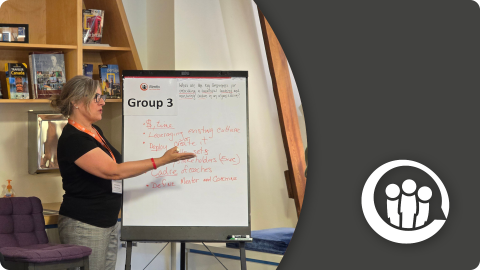
If you’re hosting in person, ditch the auditorium seating. iVentiv moved away from the traditional conference setting and instead uses a hollow square structure. This way, participants can see one another, make eye contact, and really engage. Visibility and movement matter: people should be able to see and talk to one another easily—flipcharts and breakout rooms really help with this.
3. Encourage movement and energy
Schedule breaks strategically. Build in moments for participants to stretch, step outside, or commune with one another. Physical movement re-energises mental engagement. Even a five-minute “walk and talk” around the venue can reset attention and spark new ideas.
4. Capture insights in real time
Don’t wait until after the event to record takeaways. Assign someone to capture key ideas, decisions, and next steps during each session. Summarise live on screen or on whiteboards so everyone can see collective progress. Post-event, synthesise those notes into a digestible summary for the whole group, or even put these insights into quarterly reports.
5. Follow up deliberately
The event shouldn’t be the end of knowledge sharing—it should be the start. Send participants a summary within a week, highlighting insights, action items, and next steps.
Example: iVentiv at Microsoft
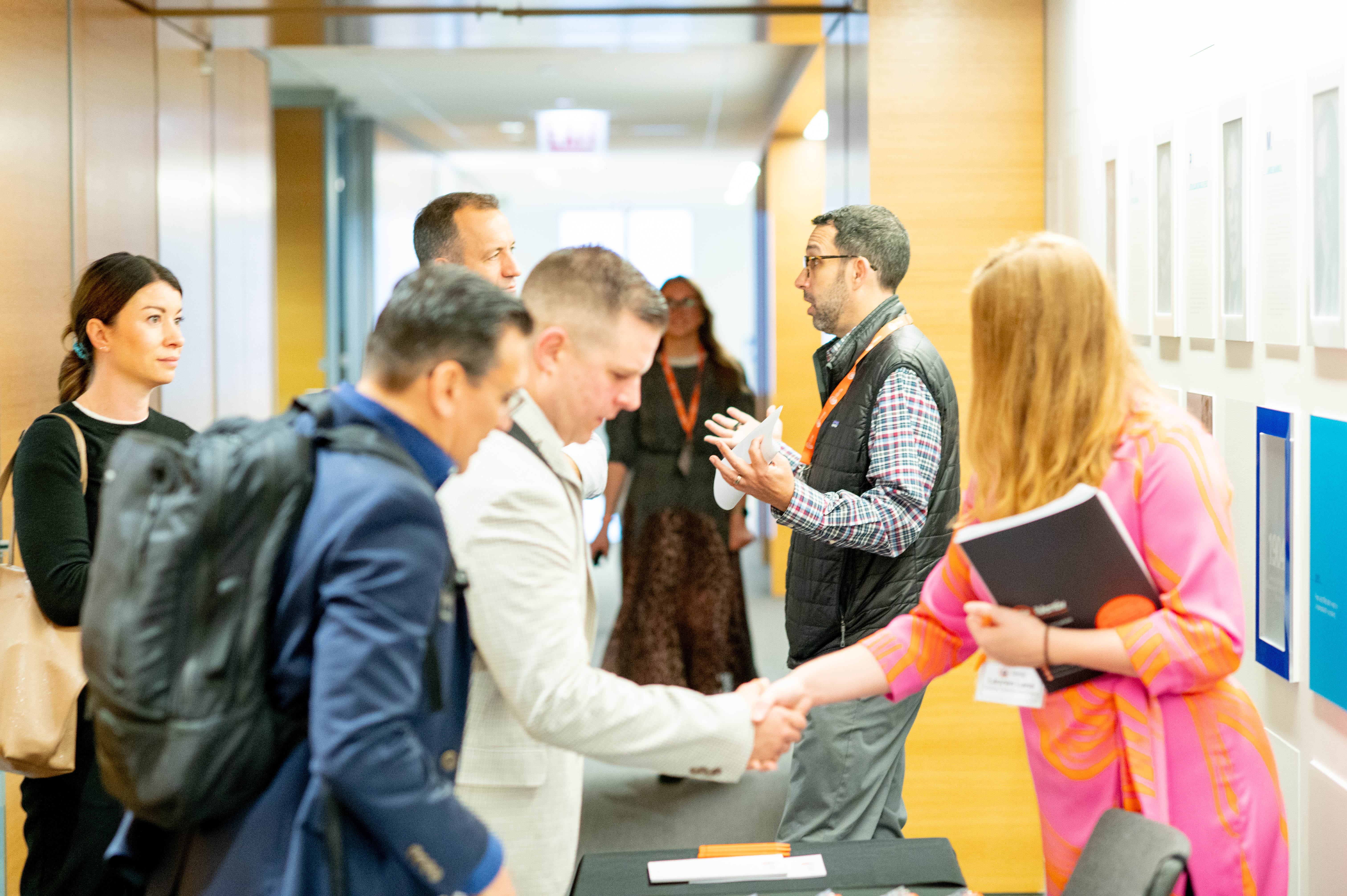
A prime illustration of these principles in action comes from iVentiv’s bespoke Executive Knowledge Exchange for Microsoft, hosted at their offices in Cologne.
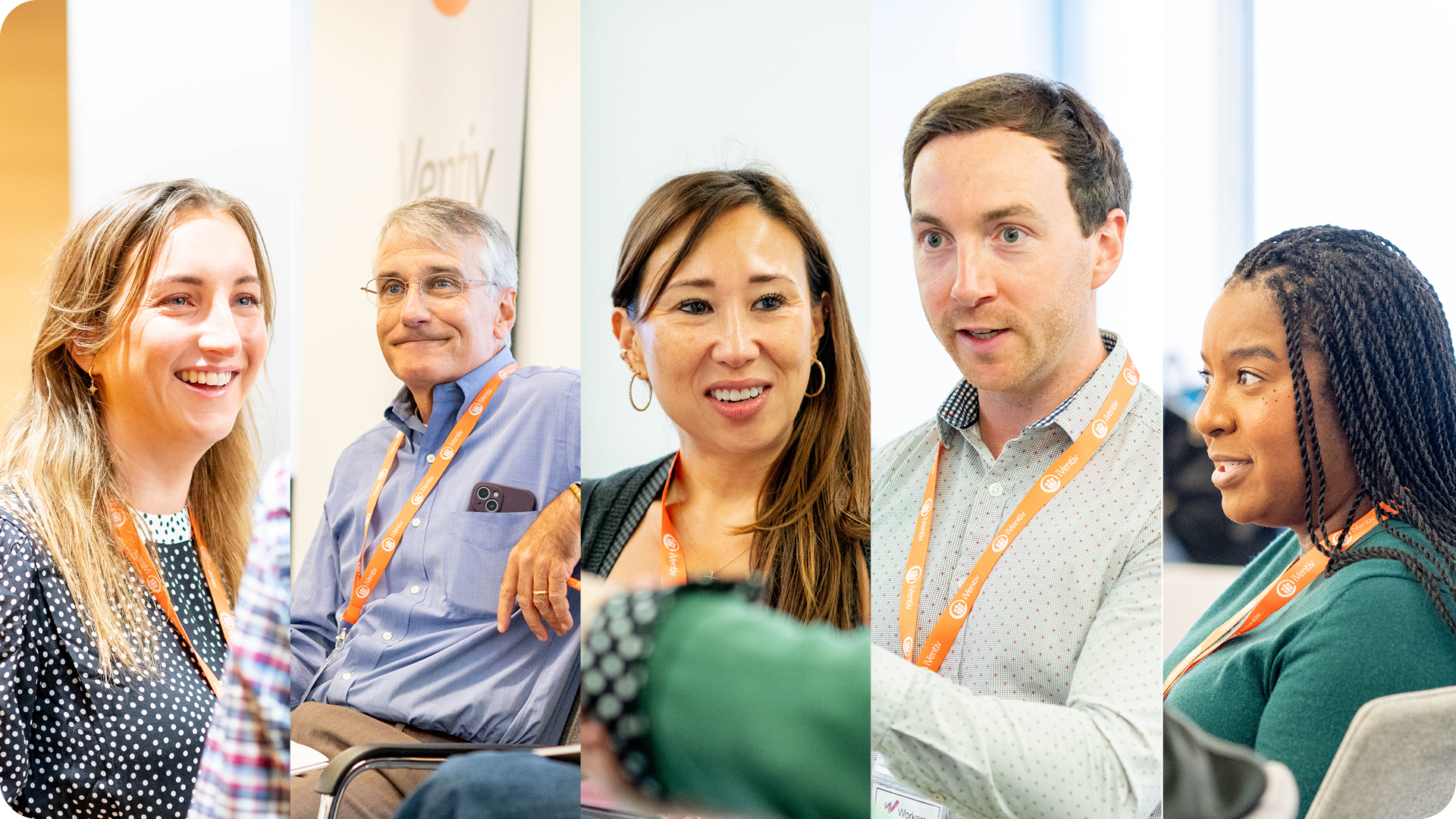
iVentiv designs intimate, high-engagement learning events for senior L&D leaders worldwide. Each session is capped around 40 participants and structured around peer-to-peer learning, not presentations. Rather than focusing on expert panels, iVentiv uses facilitated breakout conversations, collaborative cafés, and co-created agendas to ensure every voice contributes.
At this exchange, leaders from the organisation came together to discuss the future of learning and digital transformation. The event combined structured dialogue with open networking, creating dozens of parallel conversations at once. Participants shaped their own agenda topics and worked in small groups to share solutions to real challenges—exactly what knowledge sharing should look like in practice.
The iVentiv event format’s success lies in its intentional design:
- Small groups allow genuine interaction rather than surface-level networking.
- Expert inputs keeps focus on real issues.
- Facilitated peer learning ensures everyone contributes and learns.
The outcome? Leaders leave not just inspired, but equipped with new contacts, tangible ideas, and strategies they can apply immediately.
Bringing It All Together
Designing events for knowledge sharing isn’t about logistics, it’s about culture. You’re creating the conditions for curiosity, openness, and collective problem-solving to thrive.
To recap:
Clarify your purpose
Know why you’re bringing people together and what you want to achieve.
Involve participants early
Give them ownership of the agenda and buy-in from the start.
Facilitate, don’t present
Structure conversations around outcomes, not content delivery.
Design for human connection
Layouts, energy, and follow-up all matter.
Capture and continue
Turn insights into shared resources and communities of practice.
Designing and running great knowledge sharing events takes time, expertise, and coordination. If you’re managing a large global learning team with limited bandwidth, consider bringing in external support. Expert facilitators and event partners can help you design experiences that truly unlock your organisation’s collective intelligence.
Final Thought: Building the Habit of Knowledge Sharing
The real goal is not just a single event—it’s building a culture where sharing becomes second nature. That starts with intentional design. Whether it’s a quarterly knowledge sharing day, an annual event, or an ongoing series of virtual roundtables, what matters is creating consistent opportunities for people to learn from one another.
Done well, these moments of connection become your organisation’s competitive advantage; they ensure that insights don’t vanish when someone moves roles, that innovation travels faster, and that learning remains a living, breathing system, not a static archive.
iVentiv understands that the essence of modern L&D leadership is designing experiences that turn individual expertise into collective capability.
Ready to design your own internal knowledge sharing event? Start small, start focused—but most importantly, start now, with iVentiv. Make an enquiry now.
Related Resources
- Designing Events for Knowledge Sharing: Practical Techniques
- Solving the Knowledge Silo in Global Learning Teams
- What Makes an Effective Learning and Development Team Event?
- 10 Questions to Ask Before Planning an Internal Event
- Why Customer Education Matters
- Planning Corporate Events For Small Groups: A Complete Guide
- Why Internal Events Often Fail, and How to Fix Them
- How to Engage L&D Teams Through Events
- The Difference Between Team Building and Team Learning
iVentiv and Microsoft - A Bespoke Event Experience